Overview
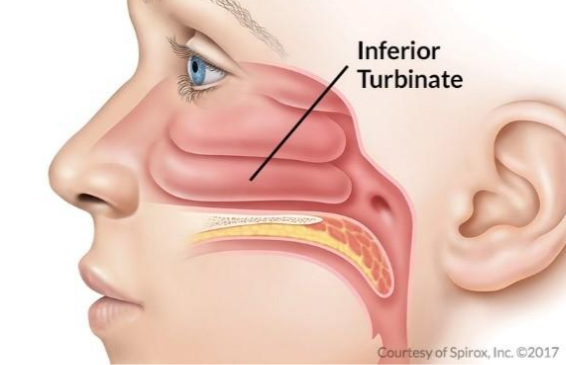
Cautery or coblation of the nasal turbinates is a procedure used to reduce the size of enlarged turbinates in the nose. Turbinates are small structures inside the nose that help filter and humidify the air we breathe. In some children, the turbinates can become chronically swollen due to allergies, colds or other causes, leading to a blocked nose, mouth breathing, snoring or poor sleep.
When medications such as nasal sprays or antihistamines do not provide enough relief, a minor surgical procedure called cautery may be recommended to shrink the turbinates and improve airflow.
Who It Helps
Your child may benefit from turbinate cautery if they have:
- Constant nasal congestion or blockage
- Difficulty breathing through the nose
- Snoring or disturbed sleep
- Ongoing mouth breathing
- Reduced response to allergy medications or nasal sprays
What Happens
Turbinate cautery is usually performed for younger children (under 12 years of age) under general anaesthetic, so your child will be asleep during the procedure. It takes approximately 5 to 10 minutes and is often combined with other procedures such as adenoidectomy to help alleviate nasal obstruction.
Using a fine instrument, Dr Kelly applies controlled heat to the turbinates to reduce their size. This helps open the nasal passages without removing any major tissue. The procedure is done entirely through the nostrils, so there are no cuts on the outside of the nose or face.
Benefits Of The Procedure
Improved nasal breathing
Less mouth breathing and snoring
Better sleep and quality of life
May reduce the need for long-term nasal sprays or decongestants
Risks And Complications
All surgical procedures carry some risks, but complications from turbinate cautery are rare. Possible risks include:
Mild bleeding after surgery
Nasal dryness or crusting
Temporary blockage from swelling
Rarely, infection or need for repeat surgery
Dr Kelly will discuss all risks with you before the procedure.
Recovery Information
Before Surgery
Make sure to tell Dr Kelly about any medications your child is taking, especially blood thinners or allergy treatments.
Your child must not eat or drink for 6 hours before the procedure if under general anaesthetic. Follow the hospital or anaesthetist's instructions carefully.
If your child has a cold or fever near the surgery date, please notify the clinic, as the procedure may need to be delayed.
After Surgery
Your child may feel like they have a blocked or stuffy nose for 1 to 2 weeks due to swelling.
Mild discomfort or nasal irritation is common and can be managed with paracetamol or ibuprofen.
Use saline nasal sprays (e.g. FESS) 4 to 6 times a day to keep the nose moist and assist healing.
Avoid nose blowing for the first week. Encourage your child to sneeze with their mouth open.
Your child can return to school or daycare after 1 to 2 days if feeling well.
When To Contact Dr Kelly's Rooms
Please contact the rooms if your child experiences:
Heavy or ongoing nosebleeds
High fever (over 38.5°C)
Foul-smelling nasal discharge
Severe or worsening pain
Follow-Up
A follow-up appointment with Dr Kelly will be arranged 1 to 2 weeks after surgery to check healing and ensure everything is progressing well.